

Gamescom 2026 Recap: What Cologne Told Us About the Next Wave of Western Market Entry

Gamescom 2026 closed its doors in Cologne this week, and once again it confirmed what we say to every studio we work with: this show is not optional. With hundreds of thousands of attendees moving through Koelnmesse, Opening Night Live pulling in a massive global stream audience, and hall after hall of publishers testing Western reception in real time, Gamescom remains the single best pressure test for how a game - and a studio's brand - actually lands with Western players and press.
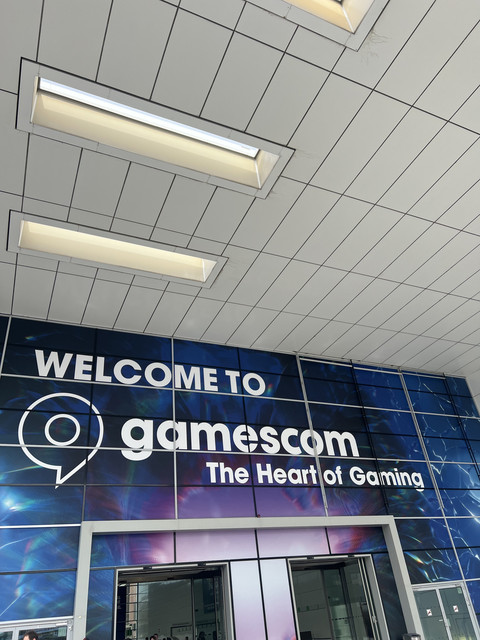
For the Chinese and broader Asian studios we work with at Theorycraft, Gamescom isn't just a marketing opportunity. It's a diagnostic. Booth traffic, creator reactions, press pickup, and even the small stuff - how attendees react to your trailer's pacing, your booth staff's pitch, your merch - all of it tells you something about whether your culturalization work actually did its job before you spent the marketing budget to find out the hard way.
Here's what stood out this year, and what it means for studios planning their own Gamescom run in 2027.
The Show Floor Rewarded Clarity Over Spectacle
Every year there's a temptation to out-spectacle the neighboring booth - bigger screens, louder demos, more elaborate builds. What actually worked in 2026 was different: booths that let a visitor understand the game's hook in under ten seconds, without needing a staff member to explain it first.
This matters enormously for developers translating a pitch that worked in a domestic market. A concept that's instantly legible to a Chinese or Korean audience because of shared genre conventions, IP familiarity, or cultural shorthand often needs a completely reworked "cold open" for a Western show floor visitor who has never heard of your game and is deciding in three seconds whether to stop walking.
What we're telling clients: your booth graphic, your trailer's first five seconds, and your one-line pitch need to work on a stranger with zero context. If your team can't explain the hook to someone outside the studio in one sentence, that's a culturalization gap to fix before your next show, not just a marketing copy problem.
Influencer and Creator Access Keeps Outperforming Traditional Press
The pattern we've flagged in past recaps held again this year: creator coverage - hands-on videos, floor walkthroughs, reaction content - drove more sustained wishlist and social movement than traditional press hits, even when the press hits came from major outlets. Publishers who ran structured creator programs through platforms like Keymailer and Woovit ahead of the show saw content go live within hours of the floor opening, compounding visibility across the full show week instead of a single news-cycle spike.
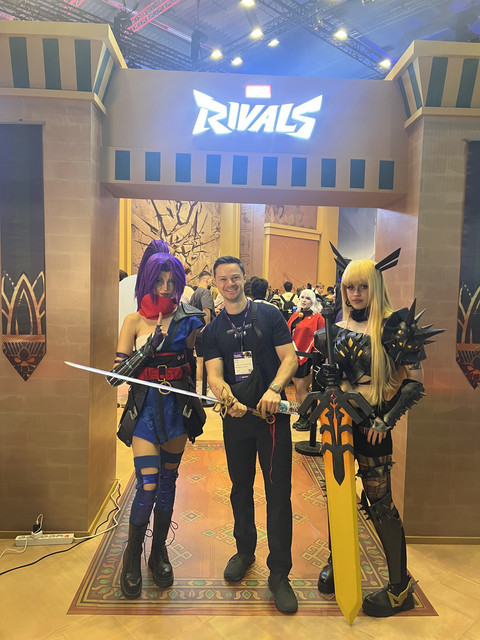
For studios entering the West, this reinforces something we've said consistently: your influencer strategy can't start the week of the show. Seeding needs to happen well in advance, with build access, talking points, and - critically - creators who are actually credible to a Western audience rather than a roster built around domestic-market relationships.
Chinese and Asian Publishers Had a Bigger, More Confident Presence
The visibility of Chinese studios and publishers on the floor this year was hard to miss, following the trajectory we tracked at ChinaJoy earlier this year. Booths were larger, presentations more polished, and - notably - the messaging was more consistently localized rather than translated. That distinction showed. Booths that had clearly invested in culturalization, not just subtitle work, pulled sustained crowds and generated organic social coverage from Western attendees and creators.

This is the trend line we've been watching all year: the gap between Asian studios that treat Western expansion as a translation exercise and those that treat it as a full go-to-market rebuild is widening, and Gamescom is where that gap becomes visible to everyone on the floor at once.
Steam Wishlist Spikes Followed a Predictable Pattern - If You Were Ready For It
For the indie and mid-size titles we track, the shows-to-Steam pipeline behaved exactly as it has in past years: wishlist velocity spiked during and immediately after a game's showcase moment, then decayed fast unless there was a clear next action — a Next Fest date, a demo, a follow-up creator wave - to catch that attention before it moved on.
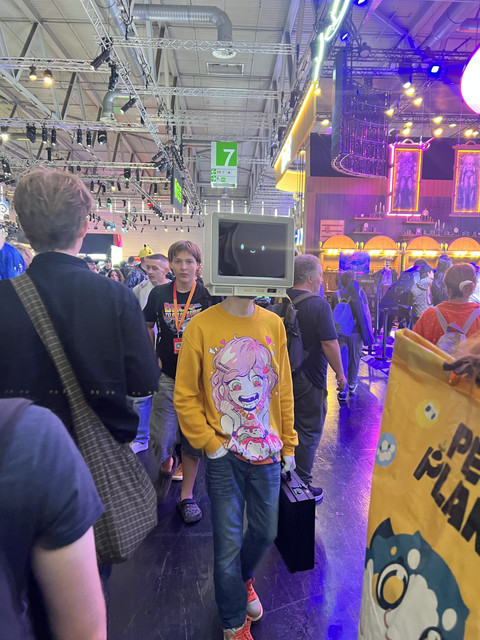
The studios that converted a Gamescom spike into durable Steam page momentum were the ones that had their page fully optimized before the show: strong capsule art, a trailer built for the algorithm and not just the show floor, and tags aligned to how Western players actually search rather than how the genre is described in domestic markets. If your Steam page isn't conversion-ready before your booth goes live, you're burning the most valuable minutes of attention your game will get all year.
What This Means Going Into 2027 Planning
If you're a studio weighing a Gamescom presence for next year, the operating questions haven't changed, but the bar has gone up:
- Is your pitch legible in ten seconds to someone with zero context? If not, that's a culturalization fix, not a marketing fix.
- Is your creator seeding program built months out, not weeks out? Compounding coverage across the show week beats a single spike every time.
- Is your Steam page ready to convert before your booth opens? The attention Gamescom generates is the most valuable - and most perishable - traffic you'll get all year.
- Are you localizing the full experience, or just the subtitles? The studios pulling sustained crowds this year invested in the former.
We'll be building our Gamescom 2027 preparation checklist in the months ahead - if your studio is weighing a first Western show presence or looking to level up an existing one, this is the right time to start that conversation, not the week before the show opens.
Theorycraft Marketing helps Asian gaming and entertainment brands navigate Western market entry — from culturalization and paid media to influencer partnerships and Steam marketing strategy. Get in touch to talk through your next show.